
EdEon News | October 12, 2026
Making Space Science More Inclusive: NASA’s Neurodiversity Network in Inclusive Informal STEM Education for Neurodivergent Audiences

Two chapters in the upcoming publication Inclusive Informal STEM Education for Neurodivergent Audiences feature the work of NASA’s Neurodiversity Network (N3). The chapters explore how we can make STEM learning more accessible, engaging, and meaningful for neurodivergent learners from complementary perspectives: by inviting neurodivergent youth to help shape space science learning experiences and by giving informal educators practical strategies for creating environments where a wider range of learners can thrive.
Inclusive Informal STEM Education for Neurodivergent Audiences, is a new Springer Nature book edited by Kelly Riedinger and Grayson Ponti. The volume brings together research and examples of inclusive practices for neurodivergent audiences in museums, science centers, and other informal STEM learning environments, and is now available for pre-order and delivery in January, 2027.
Designing Space Science with Neurodivergent Youth
In “A Solar Science program created by a neurodiverse team of space scientists, program developers, educators and youth,” N3 researchers and partners describe the collaborative development of an accessible Solar Science program.
N3 brings together scientists, educators, researchers, evaluators, program developers, and neurodivergent youth. Rather than developing educational materials and then asking learners to adapt to them, the project sought input from neurodivergent young people and the educators who work with them to make existing NASA resources more accessible.
Over three years, the team worked with four high schools serving neurodivergent students to test and revise programs in Astronomy, Rocketry, and Solar Science. Their recommendations included using more visuals and less text, breaking information into manageable pieces, providing meaningful contexts for challenging concepts, incorporating videos and hands-on activities, and offering multiple versions of materials to accommodate different strengths and interests.
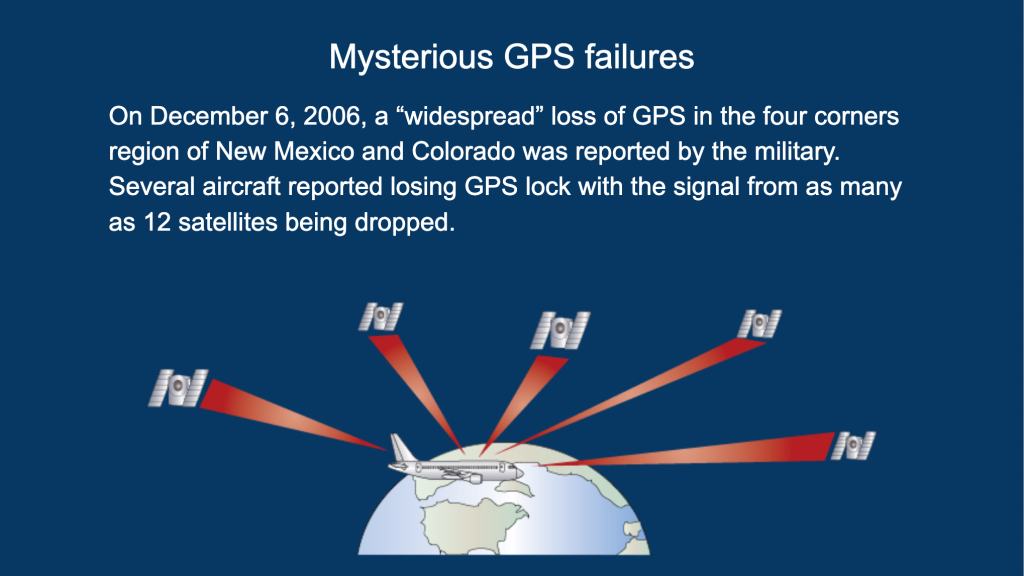
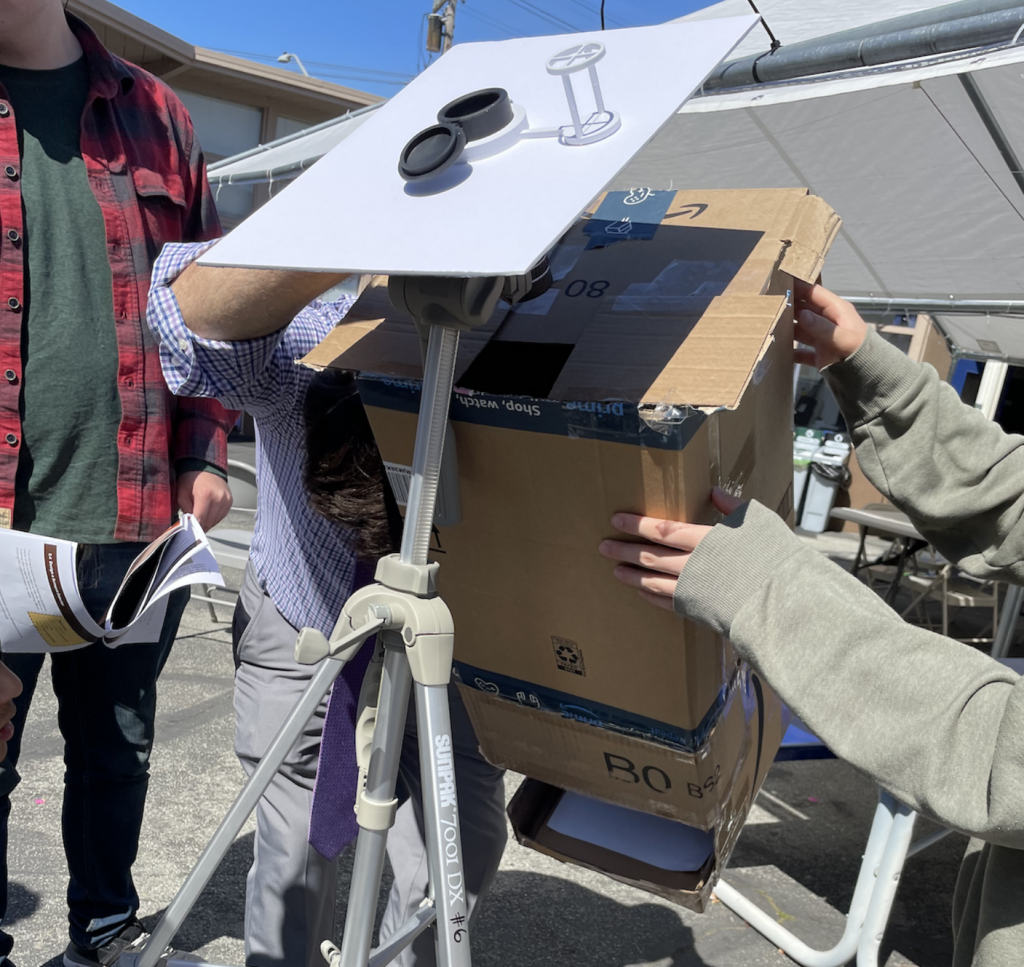
Those ideas came to life in the Solar Science program. Students investigated mysteries involving events such as power outages, satellite failures, and unusual auroras; built devices for observing sunspots; and used NASA’s Helioviewer to examine solar data. A neurodivergent N3 team member also developed the idea for TacFacs, tactile science fact cards that give learners another way to explore and interact with information about the Sun.
The program was revised using feedback from participating educators and youth and then implemented at three additional schools serving neurodivergent students during the April 8, 2024 total solar eclipse. Evaluation results were encouraging: 66% of surveyed participants reported becoming more interested in solving science mysteries, 69% reported becoming more confident, and 48% said the activities increased their interest in NASA-related careers. The evaluation also found a statistically significant increase in participants’ STEM identity.
Giving Educators the Tools to Create Inclusive STEM Experiences
A second chapter, “Empowering Informal Educators to Engage with Neurodivergent Audiences around Space Science,” looks at another essential piece of the N3 project: preparing educators to put inclusive practices into action.
After three years of running N3 space science summer camps, educators at the New York Hall of Science used what they had learned to develop a three-day professional learning workshop for other informal STEM educators. Workshop participants experienced N3 activities much as campers would, while facilitators shared lessons learned from working directly with neurodivergent youth.
The strategies are practical and often surprisingly simple. They include creating spaces that minimize unnecessary sensory stressors, providing quiet areas and tools such as headphones and fidgets, maintaining predictable but flexible routines, using visual schedules and step-by-step guides, breaking complex scientific activities into smaller pieces, and allowing learners to engage at different paces and in different ways.
Just as importantly, educators are encouraged to rethink what successful participation looks like. A learner might need additional time, prefer to work independently, move around the room while learning, or engage with an activity differently than curriculum designers originally envisioned. Instead of treating those differences as obstacles, N3 encourages educators to build flexibility into the learning experience from the beginning.
Designing for Neurodiversity Can Benefit Everyone
Together, the two chapters tell a larger story about inclusive STEM education. One demonstrates the value of including neurodivergent youth in the process of improving educational experiences; the other shows how those lessons can be translated into practical tools that educators can use in museums, science centers, camps, and other informal learning environments.
The result isn’t simply a separate approach to science education for one group of learners. Many of the practices highlighted by N3—choice, flexibility, visual supports, multiple forms of media, hands-on learning, meaningful storylines, and different ways to demonstrate understanding—can make learning more accessible to a broad range of people.
That idea is central to Inclusive Informal STEM Education for Neurodivergent Audiences. Springer describes the book as a resource highlighting exemplary inclusive programs while bringing together research and evaluation findings on neurodivergent inclusion in informal STEM education.
Interested in learning more? Inclusive Informal STEM Education for Neurodivergent Audiences is scheduled for publication by Springer Nature in October 2026 and is currently available for pre-order.
Learn more and pre-order the book from Springer Nature